
Canary Islands travel tips – beaches, day trips and local advice
Canary Islands travel tips help you plan a relaxed holiday on the islands and arrive well prepared, with advice from the local team. Whether you are comparing islands, looking for the best time to travel or need practical information for everyday holiday planning, here you will find compact guidance for the most important questions before and during your stay. Our travel tips cover beaches, nature, day trips, hiking, car rental, buses, ferries, weather and climate, food and drink, arrival, as well as advice for families, travelling with a dog and barrier-free holidays. The information applies to Tenerife, Lanzarote, Gran Canaria, Fuerteventura, La Palma, La Gomera and El Hierro, with ideas for different travel styles and island experiences. Use the tips below to filter by island and put together the right information for your trip. That way, you can more easily find the accommodation that suits your plans – private and direct from the host, for a smooth start to your Canary Islands holiday.
Travel tips for La Palma – Beaches & coves · 10 travel tips
All properties in La Palma → Beaches & coves
Playa Chica
Der Strand Playa Chica ist durch Felsen von dem Strand Playa de la Zamora getrennt. Der schwarze Sandstrand ist durch vorgelagerte Felsen im Meer vor einer starken Brandung geschützt und bietet so die Möglichkeit zum entspannten Baden.
Read more →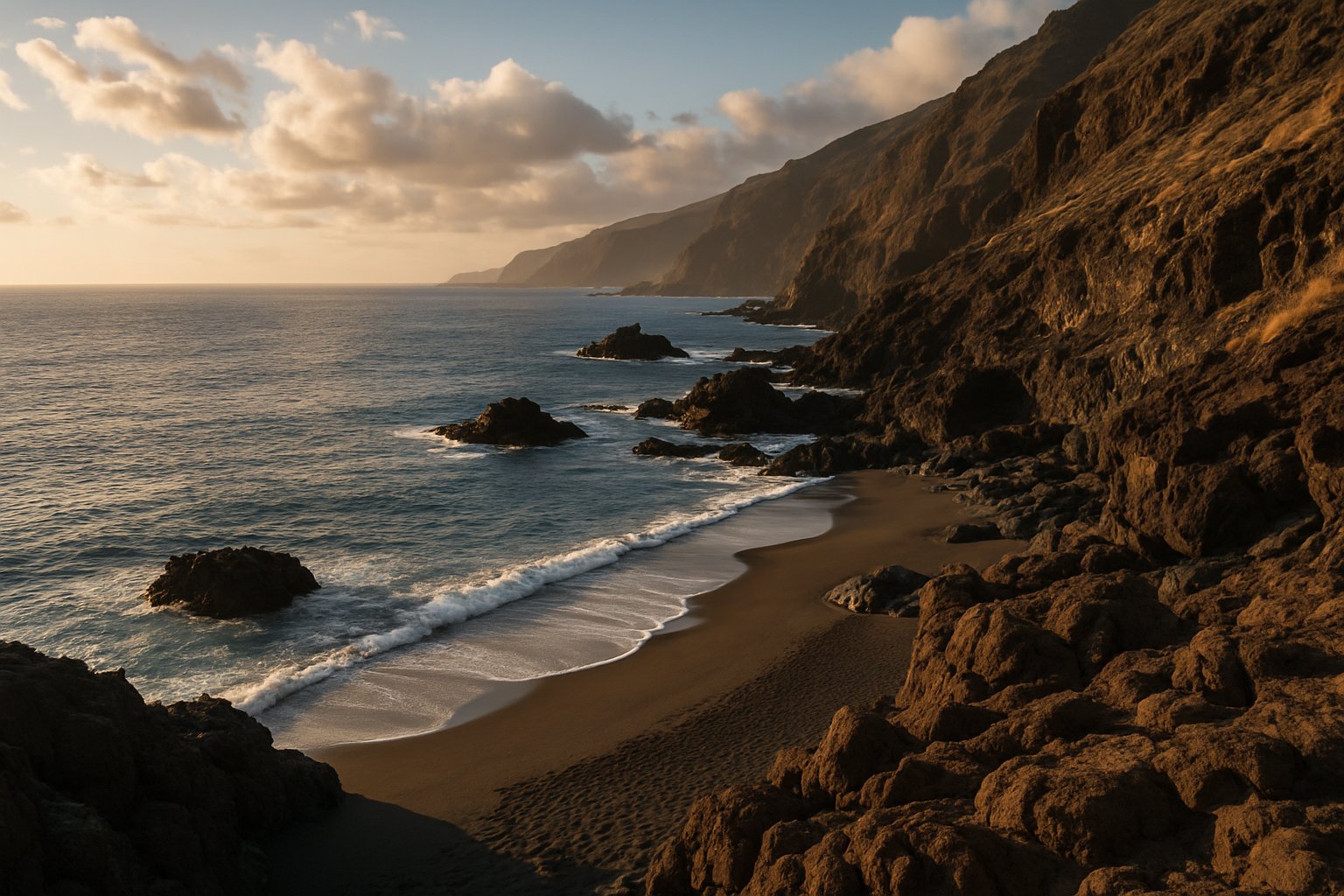 Beaches & coves
Playa Las Monjas, der einzige offizielle FKK-Strand auf der Insel La Palma
Die Playa Las Monjas befindet sich zwischen Puerto Naos und El Remo, im Südwesten von La Palma. Er ist der einzige offizielle FFK-Strand der Insel.
Read more → Beaches & coves
Playa Nogales
Einer der schönsten Strände von La Palma ist der Strand Playa Nogales nördlich von Puntallana. Er ist über einen recht steilen Abstieg erreichbar. Die schroffen Felswände bieten einen idealen Schutz vor Wind,
Read more →Beaches & covesPlaya Nueva bei Punta de Fuencaliente
Ein weiterer hübscher Strand ist die Playa Nueva, der sich nördlich von den Leuchttürmen der Punta de Fuencaliente befindet. Hier findet man sowohl den typischen schwarzen Sandstrand wie auch einige steinige Abschnitte.
Read more →Beaches & covesPlaya Punta Larga
Der Strand Playa Punta Larga befindet sich nördlich der beiden Leuchttürme an der Punta de Fuencaliente. Direkt am Meer haben sich hier einige Fischer in recht einfachen Behausungen niedergelassen.
Read more →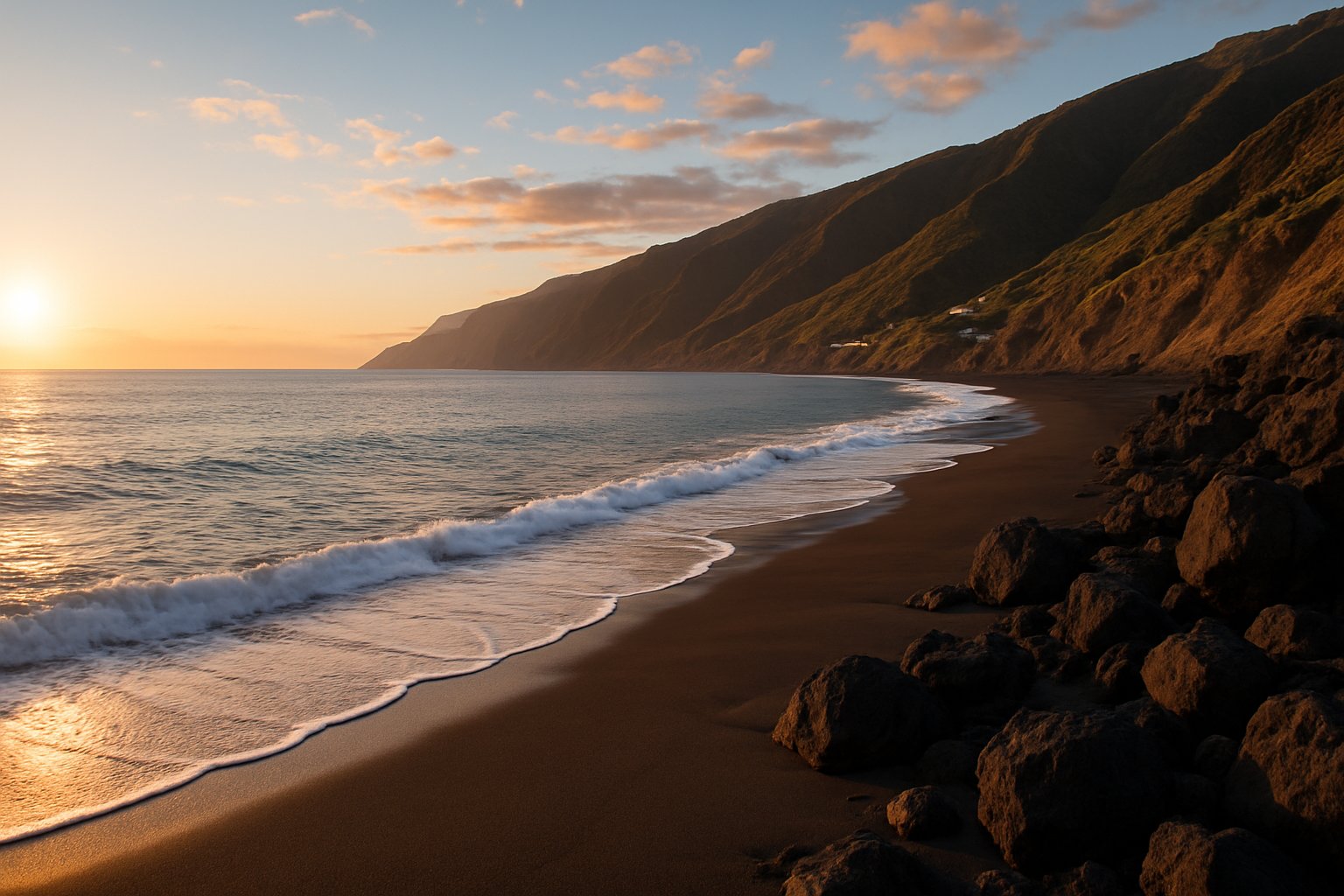 Beaches & coves
Playa de Puerto Naos
Der Playa de Puerto Naos ist mit etwa 600m der größte Strand La Palmas. Von hier aus genießt man einen unvergesslichen Ausblick auf die Steilküste.
Read more →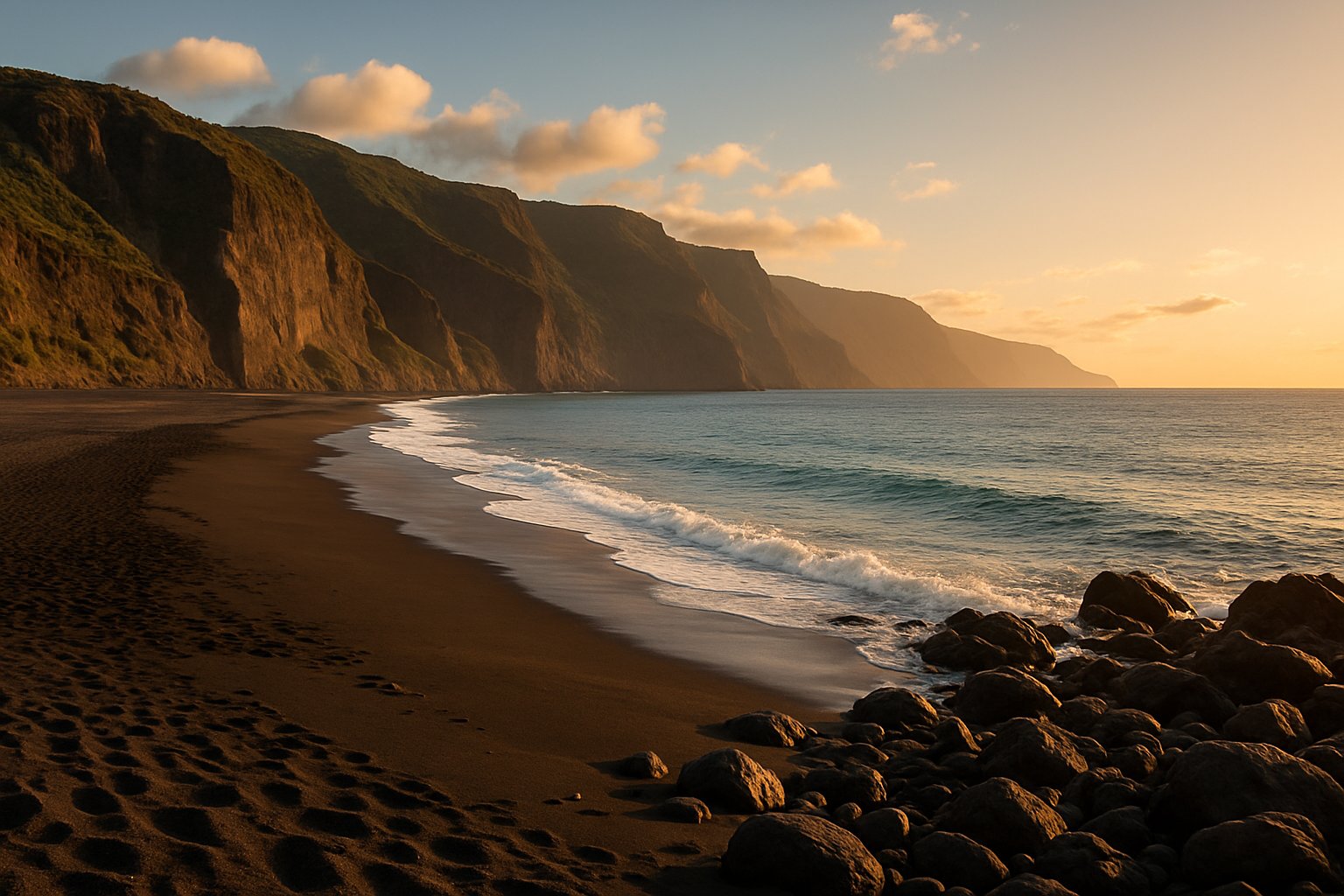 Beaches & coves
Playa de Puerto de Tazacorte
Der Strand Playa de Puerto de Tazacorte befindet sich in Puerto de Tazacorte, im Westen von La Palma. Der schwarze Sandstrand ist äußerst beliebt.
Read more →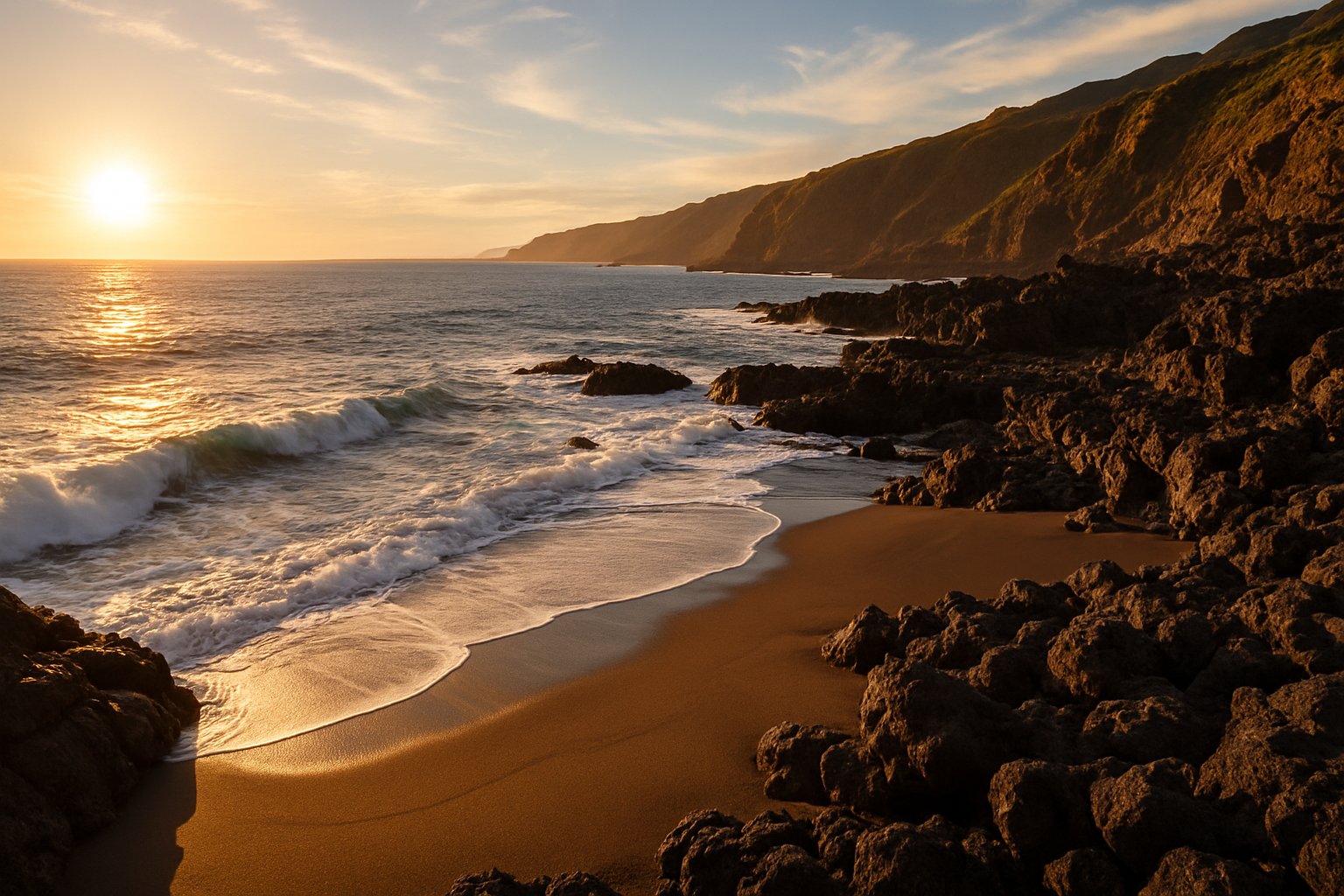 Beaches & coves
Playa de la Zamora
Der Strand Playa de la Zamora befindet sich zwischen Fuencaliente und Las Indias, im Süden von La Palma, in der Gemeinde Fuencaliente. Der feine, schwarze Sandstrand ist nicht leicht zu finden, da er etwas abseits und versteckt liegt.
Read more →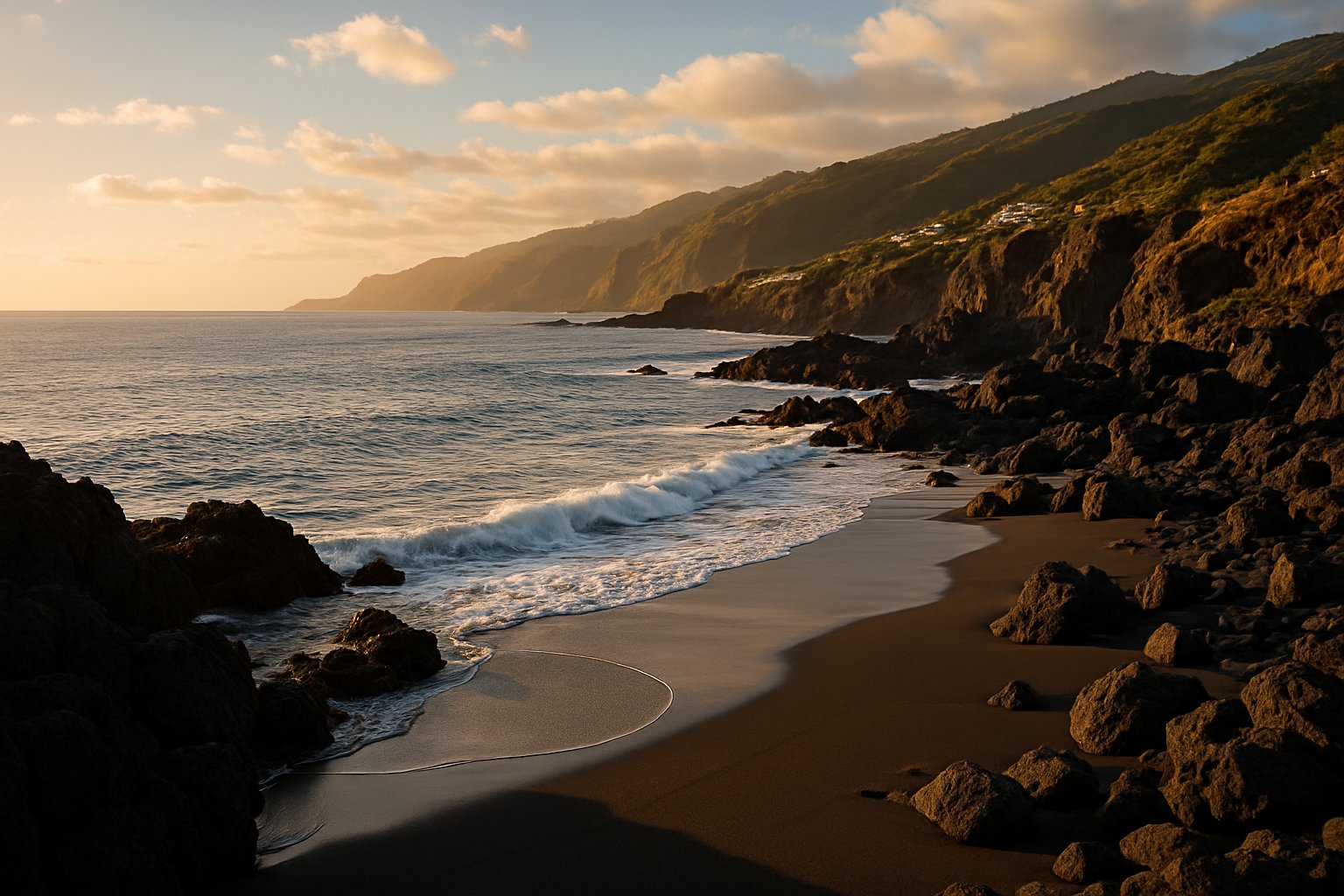 Beaches & coves
Playa de los Cancajos
Der Strand Playa de los Cancajos ist etwa 400 m lang und einer der größten Strände der Insel. Seine ausladende Breite bietet viel Platz zum Sonnen und Relaxen. Der schwarze Sandstrand mit seinen drei Buchten,
Read more →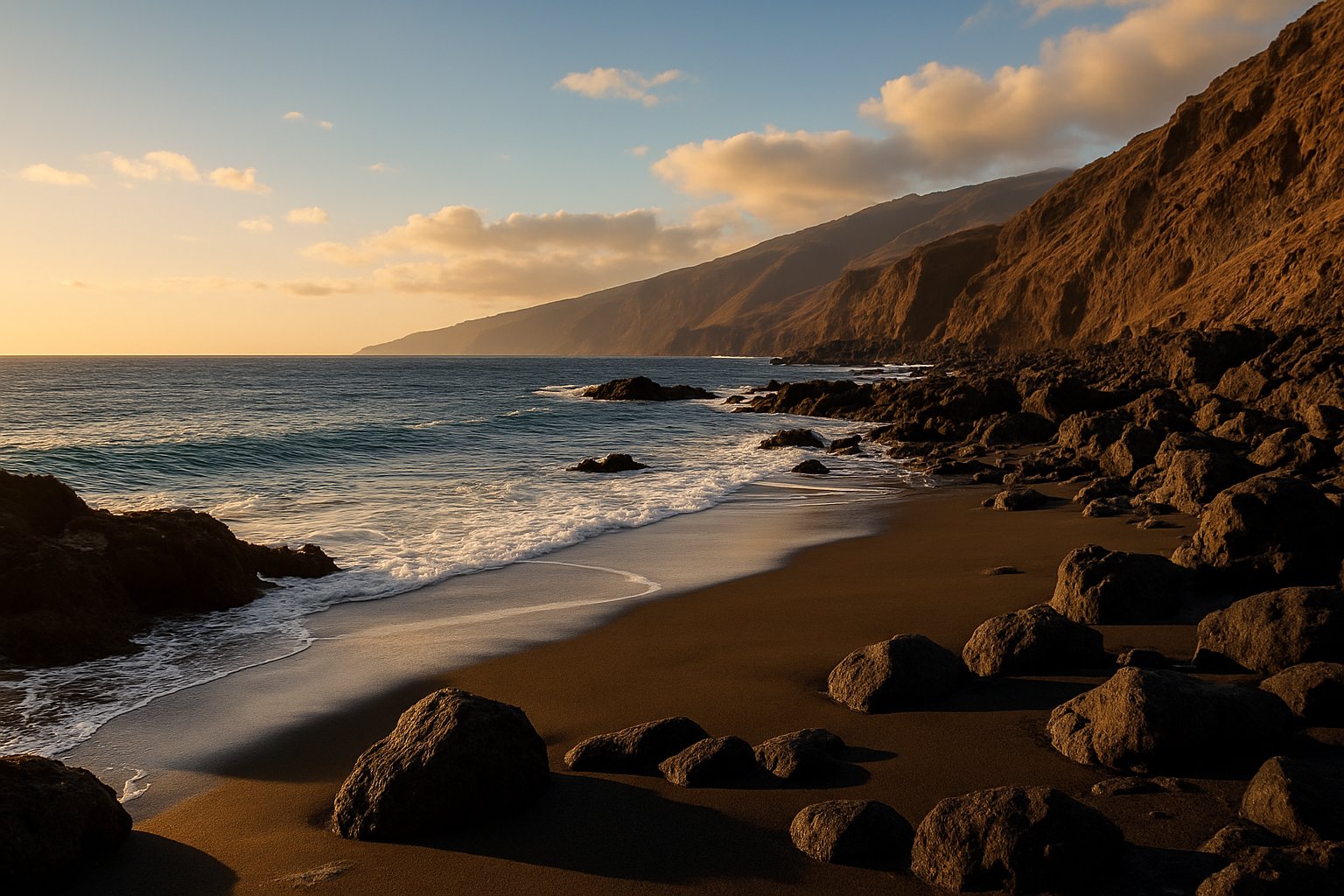 Beaches & coves
Playa del Faro
Unterhalb der beiden Leuchttürme an der Punta de Fuencaliente befindet sich der kleine Strand Playa del Faro. Die bunten Boote der Fischer bilden einen hübschen Kontrast zu dem schwarzen Kiesstrand.
Read more →Best time to visit the Canary Islands and climate
The Canary Islands are a year-round destination because the climate is usually mild and pleasant. Even so, the islands – and different parts of each island – can feel quite different. Northern areas are often greener and a little cooler, while the south is usually sunnier and drier. Trade winds also shape the weather and can bring changing conditions throughout the day. Whether you want to swim, hike or simply enjoy a relaxed break, you will usually find suitable conditions somewhere on the islands, depending on what you prefer.
Beaches, nature and excursions on the Canary Islands
The Canary Islands offer a wide variety of landscapes: long sandy beaches, sheltered coves, volcanic scenery, dramatic coastlines and green hiking areas. Tenerife, Gran Canaria, Lanzarote and Fuerteventura are known for their beaches and many excursion options. La Palma is ideal for hiking, La Gomera is peaceful and nature-oriented, and El Hierro feels small and authentic. Whether you prefer beach days, scenic drives, island viewpoints or walks inland, each island has its own character and plenty to discover.
Getting around the Canary Islands: arrival, car rental, buses and ferries
A smooth trip starts with good planning, especially because most islands are reached by plane and some are connected by ferry. Once you arrive, a rental car is often the easiest way to explore beaches, viewpoints, villages and more remote areas at your own pace. At the same time, bus services on many islands can work well for selected routes. If you plan to hop between islands, check ferry connections as well. That gives you more flexibility and makes it easier to shape your holiday around your route and interests.
Ready for the Canary Islands: family travel, dogs and practical checklist
A few simple preparations make a big difference. Bring light clothing, sun protection, comfortable shoes and, depending on your plans, beach items, a water bottle and gear for day trips or hikes. Families often look for easy access, safe beaches and suitable accommodation. Travelling with a dog is possible too, if you choose pet-friendly places and suitable beaches carefully. If barrier-free access matters, it is best to check location, access and facilities in advance so your holiday feels comfortable from the start.